Common Solar Installation Mistakes Homeowners Make That Cost More Over Time
Solar & Renewable Energy
Common solar installation mistakes happen more often than many homeowners expect. These errors usually appear during planning, installation, or after the system is switched on.
Solar may look simple on the surface, but small mistakes can reduce savings, damage equipment, or create safety risks. Beginners often focus on price and speed, while missing details that matter most for long-term performance and reliability.
Why Common Solar Installation Mistakes Keep Happening
Solar systems combine roofing, electrical work, energy planning, and local regulations. Many homeowners have never handled these areas before.
Common solar installation mistakes usually come from limited experience, rushed decisions, and unclear advice. When homeowners do not fully understand residential solar installation basics, it becomes easy to approve designs or installers that are not right for the home.
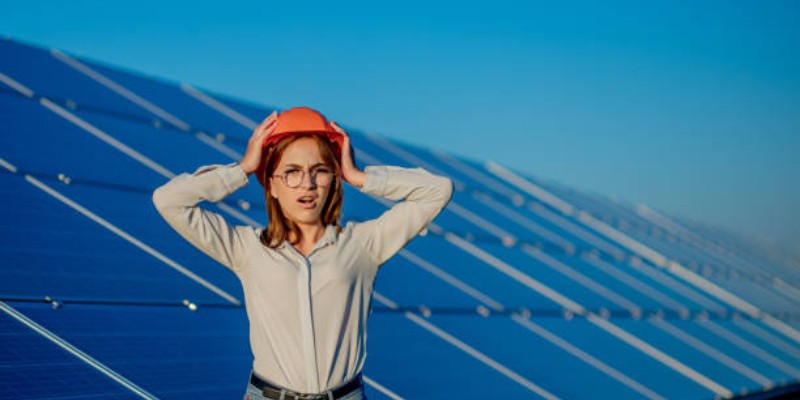
Choosing The Wrong Installer Creates Early Problems
Hiring Based Only On The Cheapest Quote
Low prices often hide shortcuts. These shortcuts may include weak mounting systems, poor wiring, or low-quality panels.
Solar installation mistakes linked to cheap pricing usually show up as leaks, power loss, or early equipment failure. Paying slightly more often prevents larger repair costs later.
Skipping License And Certification Checks
Not all installers have proper electrical or solar certification. This leads to unsafe connections and failed inspections.
Solar panel installation errors caused by unqualified workers can delay grid approval and void warranties. Residential solar installation requires verified skills, not general construction experience.
Ignoring Past Installation History
Installers with no proven work record may lack real-world problem-solving experience.
Solar installation mistakes increase when homeowners skip checking completed projects, reviews, and system performance history.
Solar System Design Errors That Reduce Savings
Installing The Wrong System Size
Systems that are too small fail to offset energy bills. Systems that are too large waste money.
Solar system installation must match actual energy usage. Poor sizing remains one of the most common solar installation mistakes homeowners regret after installation.
Not Studying Household Energy Use
Energy use changes throughout the year. Cooling, heating, and appliance habits matter.
Solar panel installation errors occur when designs ignore seasonal spikes, future appliances, or electric vehicle plans.
Forgetting Battery Planning
Adding batteries later can require rewiring and new permits.
Solar installation mistakes often include skipping storage planning during the original residential solar installation stage.
Roof-Related Mistakes That Cause Structural Issues
Installing Panels On Old Or Weak Roofs
A roof near the end of its lifespan should be replaced first.
Solar installation mistakes here lead to expensive panel removal later. Roof strength is critical for safe solar system installation.
Ignoring Roof Direction And Angle
Panels installed at poor angles receive less sunlight.
Solar panel installation errors involving tilt and orientation quietly reduce daily energy output for years.
Overlooking Shade Sources
Trees, buildings, and future construction create shading.
These common solar installation mistakes reduce system efficiency even when the panels are high-quality.

Permits And Inspections Often Get Overlooked
Installing Without Proper Approval
Local permits protect safety and grid stability.
Solar installation mistakes involving skipped permits can lead to fines, forced removal, or denied grid access. Residential solar installation always requires approval.
Missing Required Inspections
Inspections verify wiring, grounding, and mounting.
Solar panel installation errors discovered late delay system activation and savings.
Guidelines supported by public energy authorities emphasize safe approval processes, which are outlined clearly within broader renewable energy standards discussed through trusted energy resources like national clean energy guidance.
Electrical And Safety Mistakes During Installation
Improper Wiring Connections
Loose or incorrect wiring creates fire hazards.
Solar installation mistakes in electrical work are among the most dangerous and costly issues to fix later.
Poor Inverter Placement
Inverters exposed to heat or moisture fail faster.
Solar system installation should protect critical components to avoid early breakdowns.
Missing Grounding And Surge Protection
Lightning and power surges damage unprotected systems.
Solar panel installation errors related to grounding increase safety risks and insurance problems.
International energy performance studies often stress proper electrical standards, reflected in broad industry guidance found through global energy policy research.
Incentive And Documentation Mistakes Homeowners Make
Losing Access To Incentives
Missing forms or deadlines block rebates and credits.
Solar installation mistakes in paperwork can cost thousands in lost benefits.
Poor Warranty Record Keeping
Warranties require documentation.
Residential solar installation becomes risky when contracts, serial numbers, and manuals are not stored properly.
Efficiency programs and compliance expectations often align with widely accepted standards promoted through home energy efficiency programs.
Ignoring Monitoring And Maintenance After Installation
Not Tracking System Performance
Most systems include monitoring apps.
Solar installation mistakes continue after installation when homeowners never check daily output or alerts.
Skipping Basic Cleaning And Checks
Dust, leaves, and debris reduce output.
Solar panel installation errors grow over time when simple maintenance is ignored.
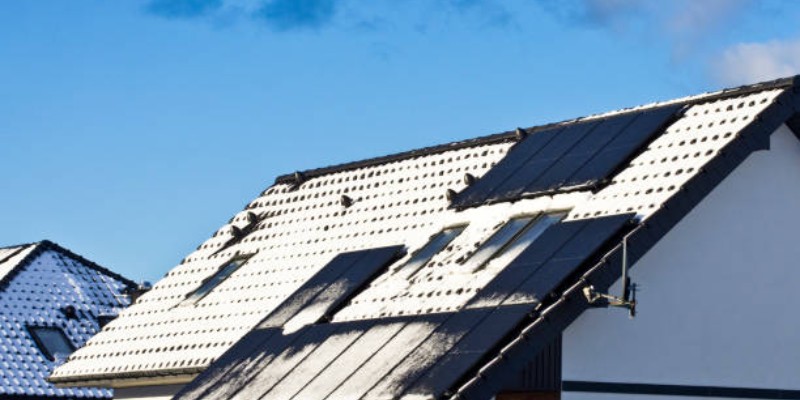
Grid Connection And Billing Errors
Delayed Utility Approval
Incomplete documents slow the grid connection.
Solar system installation remains inactive when approval steps are missed.
Misunderstanding Net Metering
Billing rules vary by location.
Common solar installation mistakes include assuming credits work the same everywhere.
Common Solar Installation Mistakes Homeowners Make And How To Avoid Them
Common solar installation mistakes usually come from rushed decisions, unclear expectations, and poor planning. Solar works best when homeowners understand residential solar installation basics, verify installers, review system designs carefully, and track performance after activation.
Avoiding solar installation mistakes protects savings, safety, and system lifespan. Careful planning prevents most solar panel installation errors before they ever happen.
Sources
Share this article:
Recommended For You


Most Viewed


ADVERTISEMENT